Nov 19, 2026
Plu Kaow: The Anti-Inflammatory Herb Recorded in Traditional Medicine for Over a Thousand Years
From ancient Chinese pharmacopoeias to northern Thai folk healers and Japan's dokudami tea, plu kaow is a herb many cultures have described in the same way, and it is the heart of Atis Amarit.

Plu kaow (Houttuynia cordata), known in northern Thailand as "kaow tong," is a heart-shaped leaf with a distinctive fishy scent when crushed. It may look like an ordinary local vegetable, yet it has been recorded in the traditional medicine of several Asian countries for more than a thousand years.
Recorded in Ancient Chinese Medicine
In Chinese, plu kaow is called "yu xing cao," meaning "fish-scented herb." It appears in classical texts such as the Xinxiu Bencao of the Tang dynasty and Li Shizhen's Bencao Gangmu of the Ming dynasty, where it is classified as a cooling herb used to clear heat and dampness.
Thai Folk Wisdom
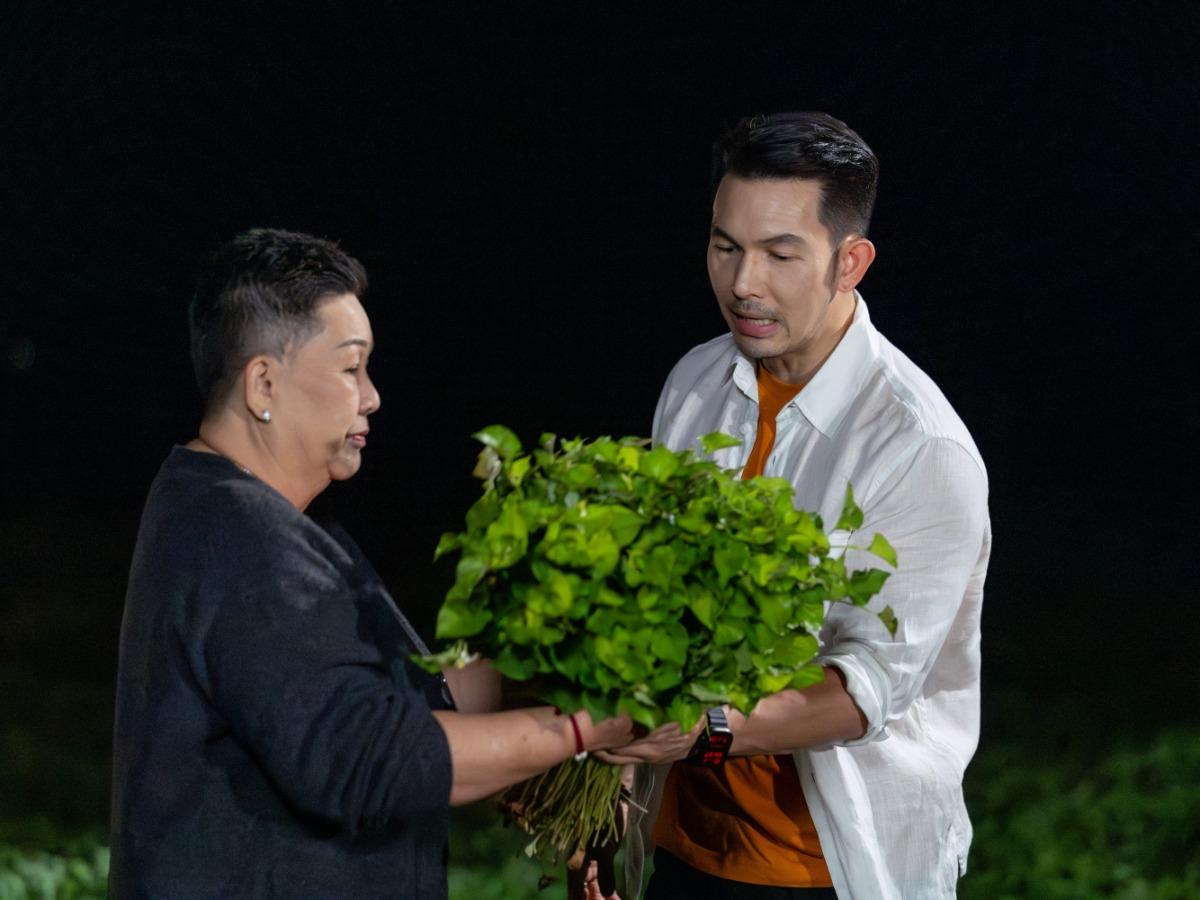
In Thailand, plu kaow is both a local vegetable and a folk herb, especially in the north and northeast. Traditional northern healers boiled the fresh leaves as a drink and used them as a poultice to ease inflammation.
Japan's Dokudami Tea
In Japan, plu kaow is known as "dokudami." Its leaves have long been dried and brewed into a household herbal tea for caring for the body and skin.
China, Thailand and Japan describe plu kaow in the same way: anti-inflammatory, cleansing and detoxifying
From Ancient Texts to Scientific Confirmation
Modern research has found that plu kaow contains flavonoids and essential oils, compounds that play a role in the immune system.
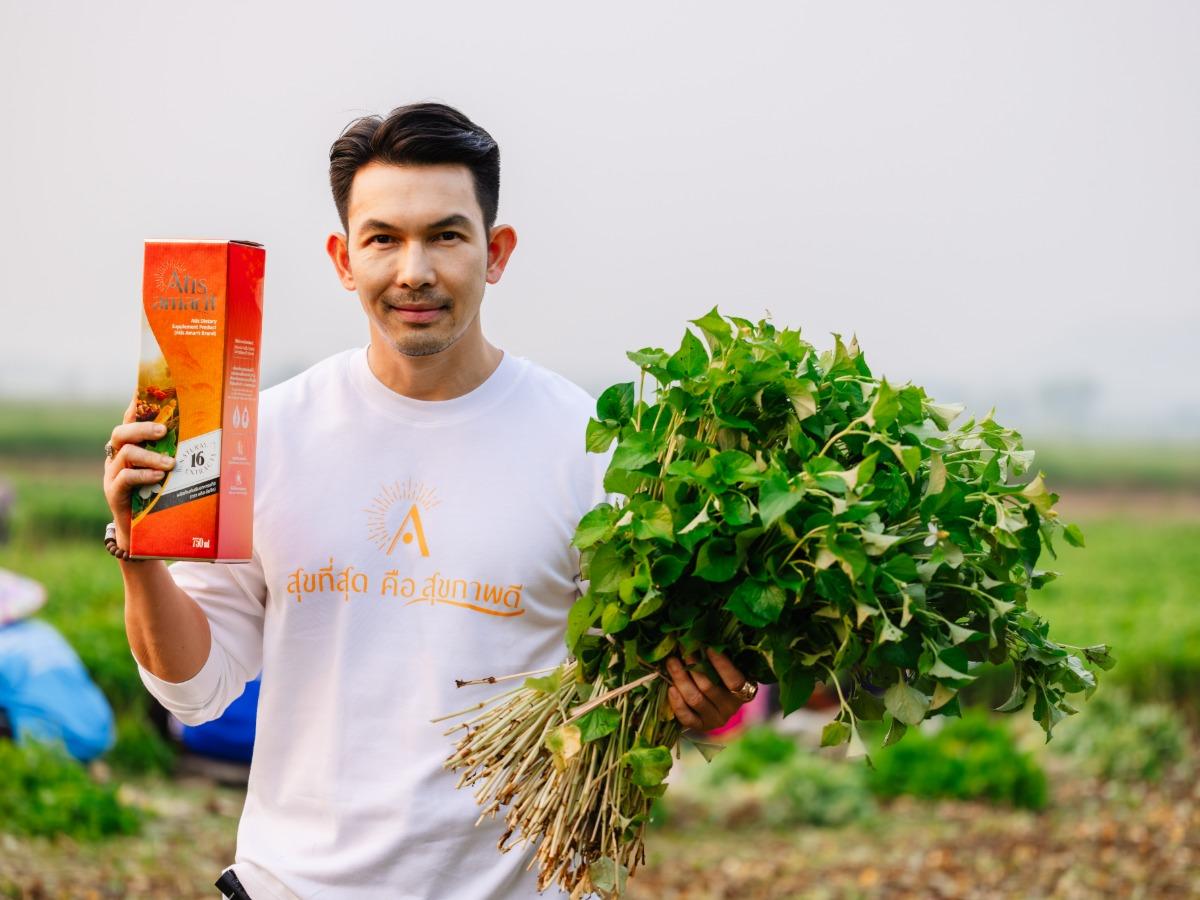
Atis Amarit uses two strains of plu kaow (Dual-Strain) at the heart of its formula, combined with herbs such as ginseng, lingzhi, jiaogulan, black ginger, dong quai and Indian gooseberry. Everything is extracted with PhytoX and BioNcap technology, bringing the value of plu kaow into an easy everyday drink.
Thousand-year wisdom, advanced by innovation